ما هو المبنى المعياري؟ دليل شامل للمشترين الدوليين في عام 2026
Oct 12, 2026
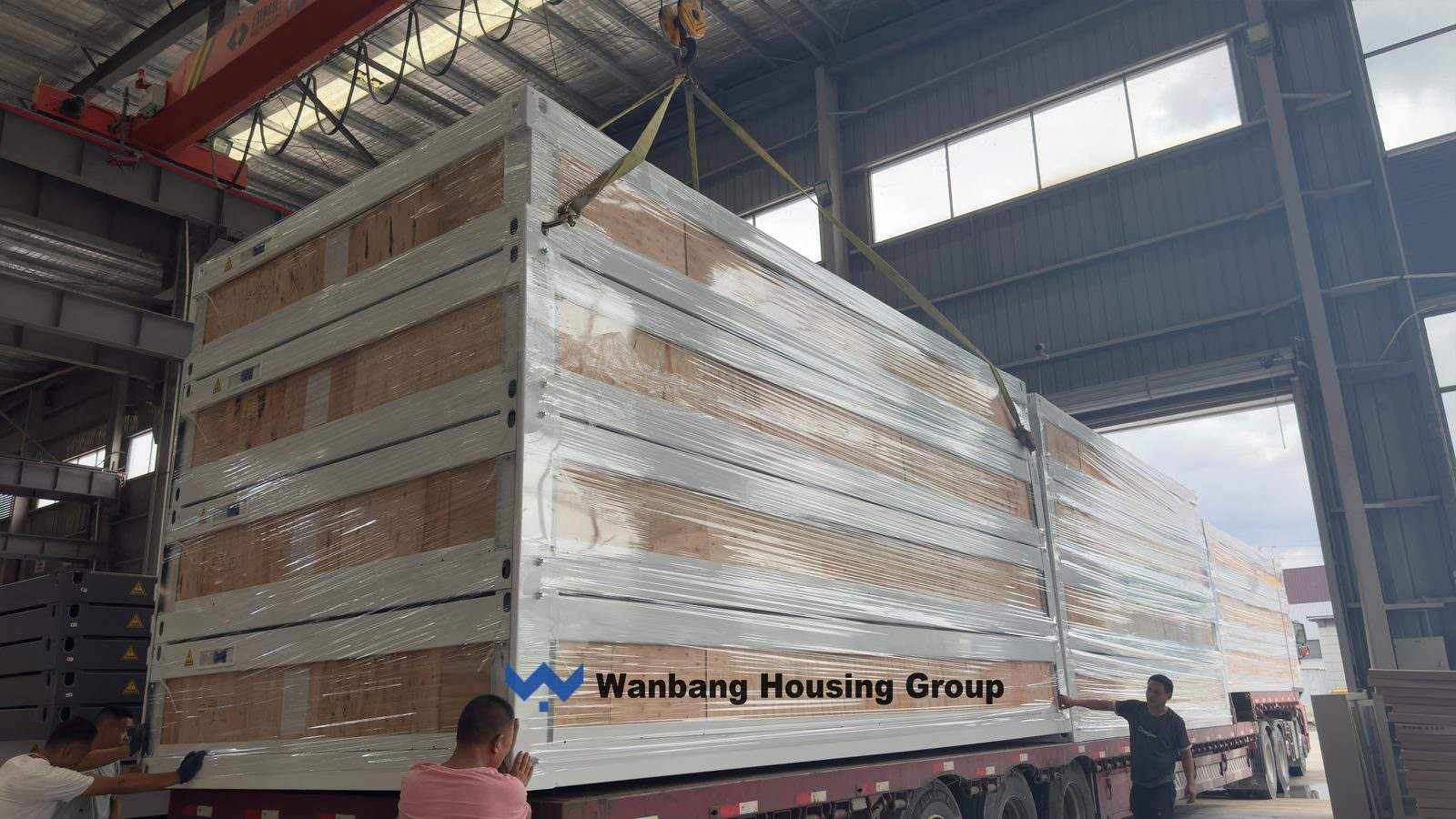
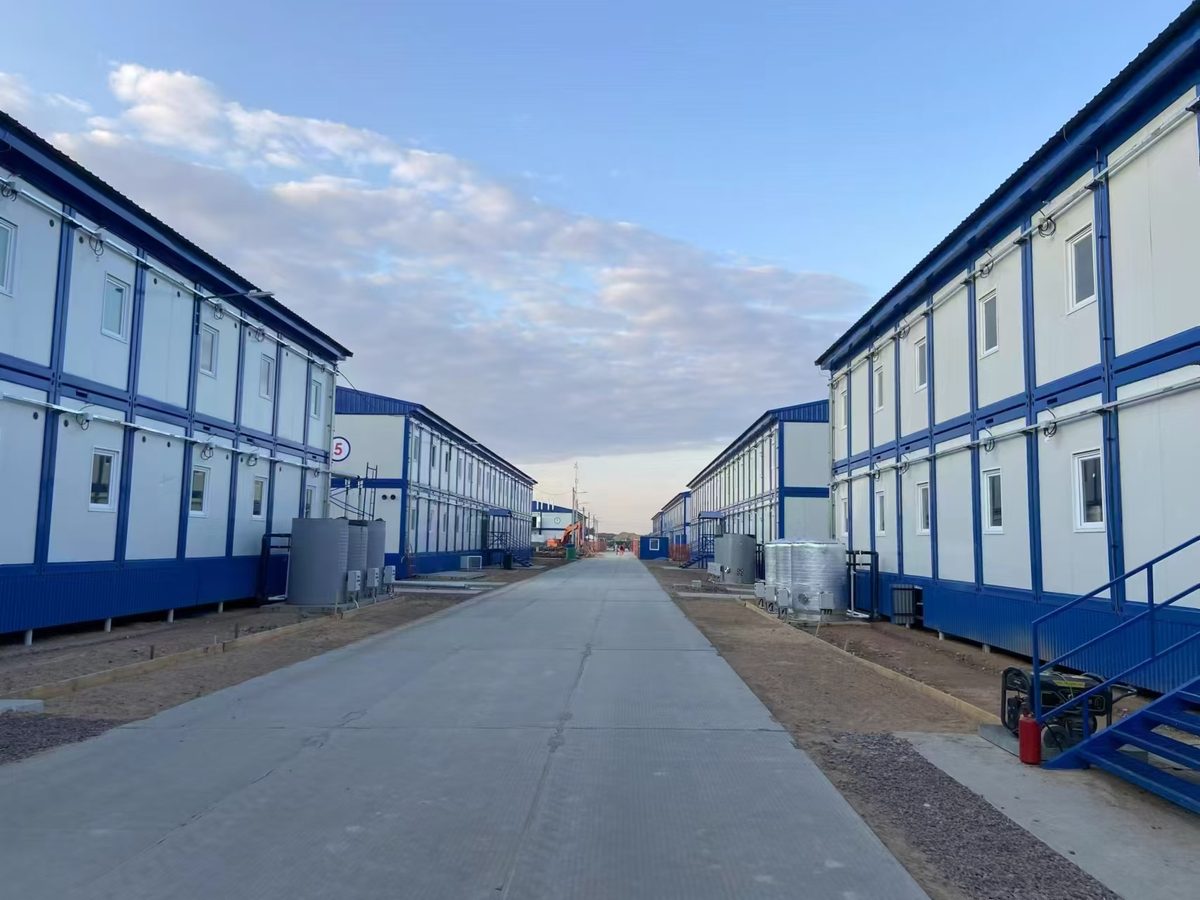
المبنى الجاهز هو هيكل مُصنّع مسبقًا في المصنع، يُشحن على شكل أجزاء ويُثبّت معًا على أساسات المبنى. هل تتساءل ما هو المبنى الجاهز؟ ببساطة، يعني البناء الجاهز أن معظم أعمال البناء تتم داخل المبنى تحت إشراف دقيق وجودة عالية. وكما هو موضح أدناه، يتوقع المحللون طلبًا عالميًا ثابتًا.تم إنجاز المشاريع المعيارية أسرع بنسبة 30% في المتوسط مقارنة بالمشاريع التي يتم بناؤها في الموقع.في المشاريع الكبيرة، يمكن أن يوفر هذا الوقت شهورًا من الإيرادات الإضافية. بالنسبة للمشترين الدوليين في عام 2026، تُترجم هذه السرعة إلى ميزانيات قابلة للتنبؤ وتقليل التأخيرات الناتجة عن سوء الأحوال الجوية. يُوضح لك هذا الدليل كيف يختلف البناء المعياري عن أساليب البناء التقليدية في الموقع، وكيفية الشراء عبر الحدود.أهم النقاطتصل المباني الجاهزة على شكل أجزاء مصنعة مسبقاً، ويقوم العمال بتجميعها في الموقع. هذه الطريقة تقلل وقت المشروع بنسبة تتراوح بين 30 و50%.تضمن عمليات الإنتاج في المصانع جودة الإنتاج. وتقلل الأساليب المعيارية من الهدر. وتشير دراسة أجريت عام 2024 إلى انخفاض الهدر بنسبة 78.8%.تأتي المباني المعيارية بثلاثة أشكال. المباني الثابتة تُبنى في الموقع. المباني القابلة للنقل تُنقل بشكل متكرر. المباني ثلاثية الأبعاد تُشكل هياكل كاملة.ينبغي على المشترين الدوليين التحقق من شهادات الموردين. ويجب عليهم التأكد من سجل التصدير بالإضافة إلى إجمالي تكاليف المشروع.خطط للأساسات مبكراً. خطط للشحن مبكراً. راجع قوانين البناء المحلية. هذه الخطوة تمنع التأخير وتضمن عملية تجميع سلسة.ما هو المبنى المعياري وما هو البناء المعياري؟التعريف الأساسي والمكونات الرئيسيةالمبنى المعياري هو هيكل يُبنى من أجزاء مُصنّعة مسبقًا في المصنع، ثم يُجمّع في الموقع. يمكن تشبيهه بمبنى يصل مُفككًا إلى الموقع، جاهزًا للتركيب. هذه هي الإجابة المُبسطة لسؤال: ما هو المبنى المعياري؟ ويعني البناء المعياري، بشرحه المُفصّل، أن معظم أجزاء الهيكل تتشكل داخل المصنع، في ظروف مُحكمة، قبل التسليم.ما هي عملية البناء المعياري؟ هي طريقة تصنيع تعتمد على المصانع، حيث يقوم العمال ببناء وحدات نمطية على خط إنتاج. يبدأون بوحدة أرضية، ثم يثبتون ألواح الجدران ولوح السقف، عادةً باستخدام البراغي. تنقل الجدران الأحمال الرأسية، بحيث تستقر الجدران الطولية للوحدة العلوية مباشرةً على جدران الوحدة السفلية. تستخدم أعمدة الزوايا عادةً مقاطع مربعة مجوفة بأبعاد 100 × 100 مم لمقاومة الضغط. قد تظهر زوايا فولاذية إضافية في الزوايا الغائرة لزيادة الرفع والثبات.تشمل المكونات الرئيسية لنظام البناء المعياري الهياكل الفولاذية، وألواح الجدران، وألواح الأرضيات، وألواح الأسقف، وأدوات التوصيل. تُصنع ألواح الجدران من قطاعات فولاذية خفيفة على شكل حرف C، مدرفلة على البارد وفقًا للمواصفة البريطانية BS EN 10346، بعمق يتراوح بين 75 و150 مم. أما ألواح الأرضيات، فيتراوح عمقها بين 150 و250 مم، وقد تستخدم الوحدات ذات الجوانب المفتوحة عوارض أعمق يتراوح عمقها بين 250 و400 مم. غالبًا ما تستخدم ألواح الأسقف قنوات ذات حواف متوازية أقل عمقًا. تشمل أدوات التوصيل الصفائح المثبتة بمسامير، والصفائح الزعنفية، والصفائح الطرفية، والبراغي ذاتية الحفر. عادةً ما تُستخدم صفائح مثبتة بمسامير في الموقع لتوصيل الوحدات ببعضها. أما وصلات الألواح ببعضها، فتستخدم مثبتات ميكانيكية، ولا تتطلب اللحام. يدعم تصميم الوصلات دورات التجميع والتفكيك المتكررة باستخدام مكونات قياسية وأدوات شائعة.تُبنى المباني الجاهزة على قواعد أو أساسات مُجهزة في الموقع، بينما تُصنع الوحدات في المصنع. ويُعد هذا العمل المتوازي ميزة أساسية لطريقة البناء هذه.البناء المعياري مقابل البناء الجاهز، والبناء على الألواح، والبناء في الموقعستجد هذه المصطلحات مستخدمة بشكل متبادل، لكنها تصف مناهج مختلفة. يوضح الجدول أدناه الفروقات.وجهمعياريوحدات مسبقة الصنع مُقسّمة إلى ألواحتم بناؤه في الموقععمليةيتم إنتاج الوحدات خارج الموقع في مصنع خاضع للرقابة، ثم يتم نقلها وتركيبهاألواح الجدران والأرضيات والأسقف المصنعة في المصنع، يتم شحنها مفككة، ثم يتم تجميعها على أساساتتم تجميع الهيكل بالكامل في الموقع من المواد الخامالجدول الزمنيأسرع بنسبة 30-50% من البناء التقليدي؛ يتم إنجاز 60-90% من أعمال البناء داخل المصنعأسرع بنسبة 20-50% من البناء التقليدي في الموقعمدة الإنجاز النموذجية من 18 إلى 36 شهرًايختلف البناء المعياري عن البناء الجاهز المُقسّم إلى ألواح، إذ تصل الوحدات المعيارية كأُسس ثلاثية الأبعاد، لا كأجزاء مُسطّحة مُسبقة الصنع. يعتمد البناء التقليدي على تسلسل أعمال الحرفيين في الموقع، ما قد يؤدي إلى تأخيرات مُتتالية بسبب الأحوال الجوية أو نقص العمالة. أما في المشاريع المعيارية، فتُنفّذ أعمال المصنع وأعمال الأساسات بالتوازي، ما يُقلّل من التأخيرات المرتبطة بالطقس. لهذا السبب، يُفضّل العديد من المشترين الدوليين المباني المعيارية للمشاريع البعيدة أو ذات الجداول الزمنية الحساسة.المزايا والعيوب الرئيسية للمباني الجاهزةالسرعة والتكلفة والجودة والاستدامةتُتيح المباني الجاهزة إنجاز المشاريع في وقت أسرع من المنازل المبنية في الموقع. إذ يتم الإنتاج في المصنع وتجهيز الموقع في آنٍ واحد، مما يُقلل مدة البناء بنسبة تتراوح بين 30 و50% مقارنةً بالطرق التقليدية. كما يُتيح لك ذلك الحصول على ميزانيات قابلة للتنبؤ، لأن أسعار المصنع تُثبّت أسعار المواد والعمالة مُسبقًا. ويبقى تقدير تكلفة المبنى الجاهز ثابتًا من توقيع العقد وحتى التسليم، مما يُساعدك على تخطيط التكلفة الإجمالية للمشروع بثقة.يمنحك نظام مراقبة الجودة في المصنع ميزة إضافية. يقوم العمال ببناء الوحدات داخل المصنع، مما يحمي المواد من تأثيرات المطر والرياح ودرجات الحرارة القصوى. هذه البيئة المُحكمة تُنتج دقة أعلى في القياسات وتقلل من العيوب، كما تُحسّن من الاستدامة. فقد وجدت دراسة نُشرت عام 2024 في مجلة الإدارة الهندسية التابعة للجمعية الأمريكية للمهندسين المدنيين (ASCE) أن البناء المعياري في المصانع يُقلل من إجمالي نفايات البناء بنسبة 78.8% في المتوسط مقارنةً بالبناء التقليدي في الموقع. كما أشارت دراسة حالة أجرتها WRAP حول البناء الحجمي خارج الموقع في يوركون إلى انخفاض النفايات في الموقع بنسبة تتراوح بين 70% و90%. تُظهر هذه الأرقام كيف يُساهم البناء المعياري في تحقيق نتائج أكثر استدامة.مصدريكتبانخفاض ملحوظ في النفاياتمجلة الجمعية الأمريكية للمهندسين المدنيين للإدارة في الهندسة (2024)دراسة منشورة في مجلة محكمةانخفاض متوسط بنسبة 78.8%دراسة حالة WRAP حول البناء الحجمي خارج الموقع في يوركوندراسة الصناعةانخفاض بنسبة 70%–90% في الموقعتحديات الانتقال والتمويلتُعدّ إمكانية النقل ميزةً رئيسيةً للمشاريع المؤقتة أو البعيدة. إذ يُمكن تفكيك المبنى الجاهز، ونقله إلى موقع جديد، وإعادة تركيبه باستخدام أدوات بسيطة. هذه المرونة تُناسب مخيمات العمال، ومساكن الإغاثة في حالات الكوارث، ومرافق الفعاليات. كما تُتيح طريقة البناء التوسع الأفقي والرأسي مع نمو الاحتياجات.غالباً ما يُمثل التمويل العقبة الأكبر أمام المشترين الدوليين. يتردد المقرضون التقليديون لعدم قدرتهم على التحقق بسهولة من المباني الواقعة في أحواض بناء السفن أو خطوط تجميع المصانع في الخارج، أو حتى الحجز عليها. وتُؤدي الفجوات في دورة تحويل الأموال بين طلب المواد، وتجميع المصنع، والشحن، والتخليص الجمركي، والتجميع النهائي في الموقع، إلى تجميد رأس المال لأشهر. تتوفر خيارات تمويلية متعددة لمساعدتك في تجاوز هذه العقبات.تحدي التمويلخيار التمويلالمقرضون متشككون في ضمانات التصنيع خارج الموقعخطابات الاعتماد المدعومة بالمشاريع، وتمويل الصادرات والواردات، ودفعات الإنجازات المرحليةفجوات في دورة تحويل النقد في قطاعي الشحن والجماركخطوط ائتمان قابلة للتوسع للمطورين (DLC) مع مخزون مضمونالوقت اللازم قبل تحقيق الإيراداتخطابات الاعتماد الآجلة عبر الحدود (حدود 90-180 يومًا)مخاطر معاملات المصنّعائتمانات الاستيراد والتصدير المدعومة من الحكومةأسعار فائدة مرتفعة على المشاريع المعيارية الكبيرةأهلية السندات البيئية والاجتماعية والحوكمة والسندات الخضراء، مما يخفض المعدلات بما يصل إلى 150-250 نقطة أساسوانبانغ منزل حاويات مُفكك يوضح هذا كيف تُطبَّق هذه المزايا عمليًا. تحتوي كل حاوية 40HQ على 14 مجموعة، مما يقلل تكاليف الشحن لكل وحدة. تتراوح مدة التسليم بين 10 و15 يومًا حسب كمية الطلب والتخصيص. تحمل المصانع شهادات ISO 9001 وISO 14001 وISO 45001، وتحمل المنتجات علامة CE الأوروبية. تُوفر هذه الشهادات للمقرضين والمشترين دليلًا موثقًا على الجودة.أنواع المباني الجاهزة وتطبيقاتهاالوحدات الدائمة، والوحدات القابلة للنقل، والوحدات الحجميةيصنف معهد البناء المعياري المباني المعيارية إلى ثلاث فئات رئيسية. تخدم كل فئة غرضًا مختلفًا، وستحدد متطلبات مشروعك الفئة الأنسب لك.فئةيُعرف أيضًا باسموصفالبناء المعياري الدائم (PMC)—تصنيع مسبق خارج الموقع لهياكل من طابق واحد أو عدة طوابق في أقسام معيارية؛ يمكن دمجها في الهياكل القائمة أو أن تكون مستقلة؛ مكتملة بالأنظمة الميكانيكية والكهربائية والصحية، والتشطيبات الداخلية، والتجهيزات، والأجهزة.المباني القابلة للنقل (RB)المباني المتنقلةهياكل مبنية جزئياً أو كلياً تلتزم بقوانين البناء المحددة؛ يتم تجميعها في منشأة تصنيع خاضعة للرقابة؛ مصممة لإعادة استخدامها ونقلها إلى مواقع بناء مختلفة.الوحدات الحجميةالبناء الحجمييتم تجميع الأجزاء أو الوحدات الفردية خارج الموقع في المصانع في ظل ظروف خاضعة للرقابة؛ وتستخدم لإنشاء هياكل كاملة؛ وتستخدم الوحدات نفسها نفس التصاميم والمواد المستخدمة في البناء التقليدي.يُتيح البناء المعياري الدائم إنشاء مبانٍ متينة تدوم طويلاً على أساسات ثابتة. تُنجز هذه الوحدات بنسبة تتراوح بين 60% و90% في المصنع، ثم تُنقل وتُركّب في الموقع. وتستخدم نفس المواد وتلتزم بنفس معايير البناء المطبقة على المباني التقليدية.أما المباني المتنقلة، على النقيض من ذلك، فهي مصممة للاستخدام المتكرر. إذ يمكن تفكيكها ونقلها وإعادة تركيبها بسرعة على أساسات مؤقتة. وهذا يجعلها مثالية للإسكان الطارئ، والفصول الدراسية المؤقتة، ومكاتب مواقع البناء. وقد تُصنف ضمن الممتلكات الشخصية، مما يتيح مزايا تمويلية.المباني المعيارية الدائمة هي مبانٍ دائمة مصممة لتدوم طويلًا ولا تُنقل أو تُعدّل. أما أنظمة المباني المعيارية المؤقتة فهي مرنة، ومبنية بقوة كافية لهدمها وإعادة تركيبها. والفرق الأكثر شيوعًا بين جميع الأنواع هو وجود أساس دائم للمبنى.أنظمة هجينة للمنازل والمكاتب والمدارس والرعاية الصحيةيمكنك أيضًا الجمع البناء المعياري مع عناصر مُشيّدة في الموقع ضمن نظام هجين. يتيح لك هذا النهج استخدام وحدات مُصنّعة مسبقًا للمساحات المعقدة والمتكررة، مع إمكانية إنشاء مساحات فريدة في الموقع. تشمل التطبيقات الشائعة أماكن إقامة العمال، ومكاتب الموقع، ومهاجع الطلاب، والمطابخ، وقاعات الطعام، والمدارس، والعيادات.وانبانغ منزل حاويات مُفكك يُبرز هذا النظام مرونة نظام البناء المعياري. يبلغ قياس الوحدة الأساسية القياسية 6000 × 3000 × 3000 مم، وهي مزودة بإطارات فولاذية متصلة بمسامير. يُمكن توسيع الوحدات أفقيًا أو رأسيًا، مما يُتيح بناء مجمعات سكنية متعددة الطوابق لمخيمات التعدين وسكن العمال في المناطق النائية. يُمكن أن يصل ارتفاع مجمعات القوى العاملة عالية الكثافة إلى ستة طوابق دون الحاجة إلى إطارات إضافية. في الظروف المناخية القاسية، يُمكن استخدام فولاذ شديد التحمل مع طلاء بحري من الفئة C4/C5 ومقاومة للعواصف حتى الفئة الرابعة.A مخيم يضم 150 وحدة يُظهر مشروع في صحراء أتاكاما في تشيلي كيف يعمل هذا النظام بكفاءة في الظروف القاسية. بالنسبة لمخيمات التعدين، أنت بحاجة إلى مساكن عمال متينة وسريعة التركيب، يمكن لفريقك تجميعها باستخدام أدوات بسيطة. توفر المخيمات المعيارية هذه الميزة. كما أنها توفر كثافة الشحن اللازمة للخدمات اللوجستية في المناطق النائية - حيث تتسع حاوية واحدة من نوع 40HQ لـ 14 وحدة، مما يقلل تكاليف الشحن لكل وحدة ويجعل المخيمات المعيارية واسعة النطاق أكثر اقتصادية.دليل خطوة بخطوة للمشترين الدوليينالتصميم والإنتاج والشحنتتمثل خطوتك الأولى في تحديد نوع المنتج، والتصميم، والتفاصيل الخارجية والداخلية، ومعايير الكهرباء في البلد المقصود. أنت بحاجة إلى هذه التفاصيل قبل طلب عرض سعر دقيق. تأكد من صحة مخططات الأرضيات، والرسومات الكهربائية، ورسومات السباكة، ومواد البناء قبل بدء الإنتاج. تحدد مرحلة التخطيط هذه تكلفة المبنى الجاهز وتمنع إجراء تغييرات مكلفة لاحقًا.تمنحك خيارات التخصيص تحكمًا كاملًا في الأداء. يمكنك اختيار عزل الصوف الصخري أو البولي يوريثان لتحسين الأداء الحراري ومقاومة الحريق. تحمي الطلاءات المقاومة للتآكل - مثل طلاء الألكيد أو طلاء الإيبوكسي أو الجلفنة بالغمس الساخن - الهيكل من المطر والرطوبة والصدأ. توفر النوافذ ذات الزجاج المزدوج عزلًا حراريًا وصوتيًا. تساهم هذه الخيارات في إطالة عمر الخدمة إلى 15-30 عامًا مع الصيانة الأساسية.تتبع عملية الإنتاج في المصنع مسارًا قابلاً للتتبع. تبدأ العملية بفحص المواد الخام، ثم الفحوصات أثناء التصنيع، وأخيرًا اختبار الوحدة النهائية. يمكنك طلب صور ومقاطع فيديو توضح مراحل الإنتاج. كما يتيح لك اختبار ما قبل الشحن أو فحص الفيديو التحقق المستقل قبل مغادرة الوحدات للمصنع.تتطلب عمليات الشحن والجمارك تخطيطًا دقيقًا. يبلغ الارتفاع الداخلي لحاوية 40HQ 2700 مم، وحجمها 76.3 متر مكعب (2694 قدمًا مكعبًا). يتيح لك هذا الارتفاع الرأسي الإضافي تكديس عدد أكبر من الألواح في الحاوية الواحدة. تتسع حاوية 40HQ لـ 14 وحدة من منازل الحاويات الجاهزة من وانبانغ. تستغرق مدة الإنتاج من 10 إلى 15 يومًا بعد الدفعة المقدمة للوحدات القياسية. جهّز بوليصة الشحن، والفاتورة التجارية، وقائمة التعبئة، وشهادة المنشأ، والتأمين بشكل صحيح. خطط للتخليص الجمركي، والتسليم الداخلي، والوصول إلى الموقع قبل وصول المنزل.الأساسات، والتركيب، والموافقات النهائيةتبدأ أعمال تجهيز الموقع بإنشاء أساس خرساني مستوٍ. يجب أن تتطابق مسامير التثبيت مع الرسومات الإنشائية المعتمدة. يضمن هذا التطابق تركيب وصلات المسامير بدقة ودون أي تخمين. تحقق من أحمال السقف من حيث الثلوج والأمطار والرياح المحلية. يجب أن يصرف نظام التصريف المياه بعيدًا عن الأبواب والأساسات.يتم تركيب الألواح في الموقع باستخدام أدوات بسيطة. لا حاجة للحام أو رفع الأحمال الثقيلة. يمكن للفرق المحلية إتمام عملية التجميع، مما يقلل من مدة الإنشاء. كما يقلل هذا الأسلوب من وقت البناء مقارنةً بطرق البناء التقليدية. ويمكن توسيع الوحدات أفقيًا أو رأسيًا لإنشاء مجمعات تخييم متعددة الطوابق.تختلف الموافقات النهائية باختلاف المنطقة. في الاتحاد الأوروبي، يلزم تصميم إنشائي متوافق مع المعايير الأوروبية (يورو كود)، ومنتجات بناء حاصلة على علامة CE، وقواعد الأداء الطاقي الوطنية. أما مشاريع الشرق الأوسط، فتتطلب موافقات من البلديات المحلية ومتطلبات السلامة من الحرائق. وتتبع أستراليا ونيوزيلندا قوانين البناء الوطنية والإقليمية التي تتضمن مناطق مقاومة للرياح وأنظمة خاصة بحرائق الغابات. لذا، يُنصح دائمًا بالتحقق من لوائح البناء المحلية والمتطلبات الهندسية قبل إتمام طلبك. فالامتثال للقوانين المحلية يحمي استثمارك ويضمن اجتياز مبانيك الجاهزة للتفتيش.ينبغي أن يستند الاختيار النهائي إلى وثائق هندسية موثقة، ورموز بلد المقصد المعمول بها، وسجلات جودة المصنع، وإمكانية تتبع المواد، وفحص العينات، والتخطيط اللوجستي، والفحص المستقل قبل الشحن.تشمل التكلفة الإجمالية لمشروعك سعر المنزل، والتعديلات، والشحن البحري، ورسوم ميناء الوصول، والرسوم الجمركية، والنقل البري، والرافعة، والأساسات، والتركيب. يؤثر كل من النقل الدولي وقوانين البناء المحلية على التكلفة الإجمالية للمشروع. لذا، ضع ميزانية لكل بند قبل التوقيع.كيفية اختيار مورد للبناء المعياري في عام 2026الشهادات، وخبرة التصدير، والضمانابحث عن شركة تصنيع مباني معيارية حاصلة على شهادات ISO 9001:2015 وISO 14001:2015 وISO 45001:2018. تبقى الشهادات سارية لمدة ثلاث سنوات مع إجراء عمليات تدقيق دورية. بالنسبة للتسليم في أوروبا، يُشترط قانونًا الحصول على علامة CE الأوروبية وفقًا للمعيار EN 1090-1 للهياكل الفولاذية الجاهزة.المعيار / العلامةما الذي يتحقق منهISO 9001:2015عمليات إدارة الجودةISO 14001:2015عمليات الإدارة البيئيةISO 45001:2018عمليات إدارة الصحة والسلامة المهنيةعلامة الاتحاد الأوروبي CE (EN 1090-1)مراقبة إنتاج المصانع للفولاذ الإنشائيثم تحقق من خبرة التصدير. تأكد من أن المورد قد قام بتسليم مبانٍ جاهزة إلى منطقتك المستهدفة. قامت شركة وانبانغ للمباني الجاهزة بشحن منازل حاويات مُفككة إلى جميع أنحاء أوروبا وأفريقيا وجنوب شرق آسيا وأستراليا والشرق الأوسط وأمريكا اللاتينية. ويُثبت مخيمها الذي يضم 150 وحدة سكنية في صحراء أتاكاما في تشيلي كفاءتها في توفير أماكن إقامة مناسبة لمخيمات التعدين والعمال في المناطق النائية. استفسر عن أداء هذه المباني الجاهزة في الظروف المناخية القاسية، واطلب صورًا للمشروع.تُعدّ شروط الضمان مهمةً لكل مبنى معياري. ابحث عن ضمان جودة طويل الأمد، وإرشادات تركيب عن بُعد مجانية، واستشارات فنية عبر الإنترنت مدى الحياة. تأتي كل وحدة مزودة بمخطط توصيل الأسلاك ومخطط الأساس.مواعيد التسليم ودعم ما بعد البيعتُحدد مدة التسليم جدول البناء. يتم شحن منازل حاويات وانبانغ الجاهزة للتجميع خلال 10-15 يومًا من تاريخ الدفع المسبق، وذلك حسب كمية الطلب والتخصيصات المطلوبة. وقد تم تسليم 5000 منزل حاويات قابل للفصل خلال شهر واحد. أما الطلبات القياسية الأصغر حجمًا، فتُنجز في وقت أقصر، مما يُقلل مدة التسليم لسكن العمال. ويأتي كل مبنى معياري مزودًا بجدول عزم ربط البراغي.حدد التكلفة الإجمالية للمشروع، وليس فقط سعر المصنع؛ فالمباني الجاهزة تحتاج أيضاً إلى تخطيط للتركيب. يجب أن يشمل ذلك تكاليف الشحن البحري، والرسوم الجمركية، والنقل البري، والرافعة، والأساسات، والتركيب. تأكد من أن المورد يوفر رسومات وصوراً وفيديوهات للتركيب الإرشادي. يمكن ترتيب الإشراف الميداني.يتقلص وقت البناء مع قيام فرق العمل المحلية بتجميع الوحدات باستخدام أدوات بسيطة؛ فلا حاجة للحام أو رفع الأحمال الثقيلة. تأكد دائمًا من مراجعة لوائح البناء المحلية وقوانين البلد المقصود. يضمن الالتزام بالقوانين المحلية حماية مخيماتكم الجاهزة من أي إخفاقات في عمليات التفتيش. يضمن وجود شركة مصنعة للمباني الجاهزة ذات سجل حافل بالتصدير ودعم قوي لما بعد البيع التزامها بجدول زمني محدد لتوفير أماكن إقامة العمال. وهذا ما يجعل البناء الجاهز خيارًا موثوقًا لمخيمات التعدين. مبنى معياري هو هيكل يُبنى على أجزاء مصنعية ويُثبّت معًا في الموقع. هذه الفكرة وحدها هي التي تُوجّه كل قرار تتخذه كمشترٍ دولي.استخدم قائمة التحقق العملية هذه للمشتري قبل اتخاذ قرار الشراء. فهي تغطي الميزانية، والجدول الزمني، والامتثال، والشحن، والتحقق من الموردين.فئةبند قائمة التحقق للمشتري (2026)ميزانيةافصل حزمة المصنع عن نطاق الموقع؛ وقم بتسعير كل استثناء قبل الموافقة.الجدول الزمنيقارن جداول المشاريع الكاملة، وليس مدة التصنيع فقط.امتثالتأكد من الحصول على التصاريح، ومتطلبات السلامة من الحرائق، وإمكانية الوصول، وقوانين الطاقة المحلية في وقت مبكر.شحنتخطيط مسارات التوصيل، وإعداد الرافعات، وربط المرافق.فحص الموردينيُشترط على كل مُقدّم عطاء تسعير نفس النطاق وإدراج الاستثناءات.تُكافئ المباني الجاهزة التخطيط الدقيق. اختر شركة تصنيع مباني جاهزة ذات سجل حافل في التصدير، ثم اطلب عرض أسعار مُخصص من وانبانغ اليوم.التعليماتكم تستغرق عملية الإنتاج والشحن في المصنع؟يتبع البناء المعياري جدول إنتاج ثابت. يبدأ الإنتاج بعد 10-15 يومًا من الدفعة المقدمة للوحدات القياسية. وتؤدي الطلبات الكبيرة إلى تمديد هذه المدة. على سبيل المثال، تم تسليم 5000 منزل حاويات خلال شهر واحد فقط. ويحدد ميناء الوصول ومسار الشحن وقت التسليم النهائي.ما هي الشهادات التي يجب أن يحملها مصنع المباني الجاهزة؟ابحث عن شهادات ISO 9001 وISO 14001 وISO 45001. بالنسبة للواردات الأوروبية، تأكد من وجود علامة CE الأوروبية وفقًا للمعيار EN 1090-1 للفولاذ الإنشائي. تُثبت هذه الوثائق معايير مراقبة الجودة في المصنع ومعايير سلامة العمال.هل تستطيع المباني الجاهزة تحمل الظروف المناخية القاسية؟يمكنك اختيار عزل من الصوف الصخري أو البولي يوريثان، وطلاءات مقاومة للتآكل، ونوافذ زجاجية مزدوجة. يقع مخيم وانبانغ، الذي يضم 150 وحدة سكنية، في صحراء أتاكاما في تشيلي. يتميز الهيكل الفولاذي المتين، المطلي بطبقة بحرية من فئة C4/C5، بمقاومته للتآكل الساحلي.ما مقدار العمل المطلوب في الموقع لعملية التجميع؟تقوم بتجهيز قاعدة خرسانية مستوية باستخدام مسامير تثبيت مطابقة للرسومات الإنشائية. يقوم فريق العمل المحلي بتجميع الألواح باستخدام أدوات بسيطة. لا تحتاج الألواح إلى لحام أو رفع أحمال ثقيلة. هذه الآلية البسيطة تُسرّع عملية التركيب.ماذا يشمل السعر النهائي؟تشمل التكلفة الإجمالية لمشروعك سعر المنزل، والتخصيص، والشحن البحري، ورسوم ميناء الوصول، والرسوم الجمركية، والنقل البري، والرافعة، والأساسات، والتركيب. افصل بين باقة المصنع ونطاق العمل في الموقع عند مقارنة عروض الموردين.
إقرأ المزيد




 IPv6 الشبكة المدعومة
 عربي
عربي English
 Français
 Deutsch
 Русский
 Italiano
 Español
 Português
 Türk
Türk Ελληνικά
 Indonesia


