
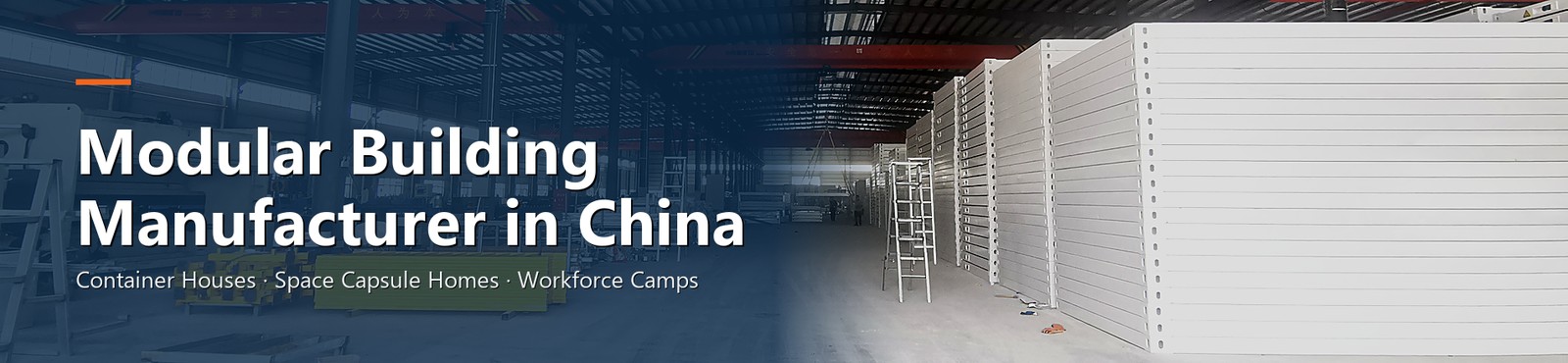
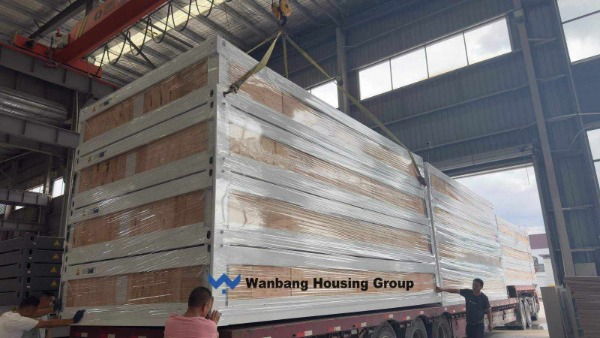
يتم استيراد المنازل الجاهزة من الصين في سبع خطوات: حدد حالة الاستخدام ونوع الوحدة، وتأكد من الرسومات والتكوين، واتفق على الشروط التجارية، وتابع عمليات الإنتاج وفحوصات الجودة، واعتمد خطة التعبئة وتحميل الحاويات، ثم اشحنها وأتمم إجراءات التخليص الجمركي، ثم قم بالتركيب في الموقع. تحدث معظم التأخيرات وتجاوزات التكاليف في الخطوتين الثانية والخامسة - بسبب عدم وضوح المواصفات وخطة التحميل غير المخطط لها - وليس في البحر.
يغطي هذا الدليل الأجزاء التي يتحكم بها المصنّع ويمكنه توثيقها. تختلف تصنيفات الجمارك ورسومها وموافقات البناء المحلية باختلاف الوجهة وتتغير باستمرار؛ ولذلك، فإن وكيل الشحن والجهة المحلية المختصة هما المرجع.
يشمل مصطلح "المنزل المُجمّع من حاويات" ثلاثة منتجات مختلفة ذات خدمات لوجستية متباينة. لذا، اختر ما يناسبك قبل طلب عرض سعر، وإلا ستضطر لمقارنة أسعار منتجات مختلفة.
| يكتب | الأفضل لـ | شخصية لوجستية |
|---|---|---|
| عبوة مسطحة سهلة التجميع | مكاتب المخيم، والمهاجع، وغرف الخدمات، والمباني متعددة الوحدات | يتم شحنها كأجزاء منفصلة؛ أعلى كثافة تحميل؛ يتم تجميعها في الموقع |
| حاوية قابلة للطي | مشاريع تنتقل إلى مواقع مختلفة بشكل متكرر؛ نشر سريع | السفن مُجمّعة ومطوية مسبقًا؛ تُفتح في الموقع |
| جناح مزدوج قابل للتمدد | عدد أقل من الوحدات السكنية المستقلة الأكبر حجماً | السفن مطوية؛ تُفتح إلى عرضها الكامل؛ أقل كثافة تحميل |
اطلب من المصنع رسمًا تخطيطيًا لأبعاد النموذج الذي تشتريه تحديدًا، في حالتي النقل والاستخدام. لا تعتمد في تخطيط الموقع على كتيب بحجم معين، بل تأكد من مطابقته للرسم التخطيطي قبل بدء الإنتاج.
لا يمكن للمورد تقديم عرض سعر دقيق إلا بعد تحديد المواصفات النهائية. تأكد من العناصر التي تؤثر على التكلفة والامتثال.
يستخدم خط Wanbang للتجميع المسطح إطارًا فولاذيًا مجلفنًا عالي القوة مع ألواح ساندوتش من الصوف الصخري توفر العزل الحراري ومقاومة الحريق ومقاومة الرطوبة - وهي المواصفات التي يجب طلبها كتابيًا إذا كان موقعك حارًا أو رطبًا أو نائيًا.
تأكد من جميع بنود العقد، وليس من خلال رسالة دردشة. تُعدّ البيانات التجارية المنشورة على صفحات منتجات وانبانغ مرجعًا مفيدًا لما يُمكن توقعه كتابيًا: الحد الأدنى للطلب وحدة واحدة، ونظام الدفع 50% دفعة مقدمة و50% قبل الشحن، والشحن من ميناء نانشا (مع إمكانية الشحن من موانئ صينية أخرى)، وفترة تسليم مُعلنة تتراوح بين 10 و15 يومًا. تأكد من الأرقام الفعلية لطلبك ونوع المنتج في العقد، حيث تعتمد فترة التسليم على المواصفات والكمية.
اطلب أدلة في ثلاث مراحل: صور أثناء الإنتاج، وفحص ما قبل التعبئة، وصور تحميل الحاويات. توثق شركة وانبانغ عمليات الفحص في كل مرحلة من مراحل الإنتاج، وتُعلن عن نسبة نجاح ١٠٠٪ للمنتجات النهائية. إذا كانت قيمة مشروعك أو مخاطر الامتثال المحلية كبيرة، فعيّن مفتشًا مستقلًا قبل سداد المبلغ المتبقي.
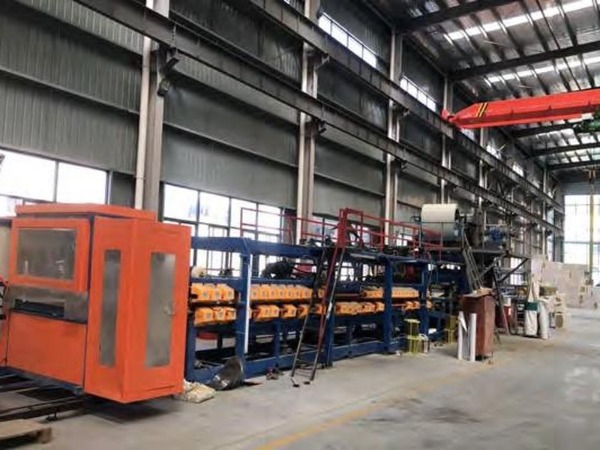
تحدد خطة التحميل تكلفة الشحن لكل وحدة. استفسر عن عدد الوحدات التي تتسع لها حاوية 40HQ، وكمية الوحدات المُجمّعة مسبقًا في المصنع مقابل تلك المُجمّعة في الموقع، ومحتويات كل حاوية.
| طريقة التعبئة | عدد الوحدات التقريبي لكل حاوية 40HQ | التنازل عن ميزة ممن أجل الحصول على أخرى |
|---|---|---|
| أجزاء مفككة (قابلة للفك) | ≈ 14 مجموعة | أقل تكلفة شحن للوحدة؛ تجميع أكثر في الموقع |
| عبوة مجمعة مسبقًا | ≈ 10 مجموعات | أعمال موقع أقل؛ تكلفة شحن أعلى لكل وحدة |
| مجمعة مسبقاً، مكدسة | ≈ 6 مجموعات | أقل أعمال موقع؛ أعلى تكلفة شحن لكل وحدة |
الأرقام المذكورة أعلاه هي بيانات التحميل المنشورة من قبل شركة وانبانغ لـ منتج قابل للطي تختلف الخطوط وتختلف حسب سمك ألواح الجدران ونوعها - تعامل معها كأساس للتخطيط وقم بتأكيدها مقابل المواصفات النهائية الخاصة بك.
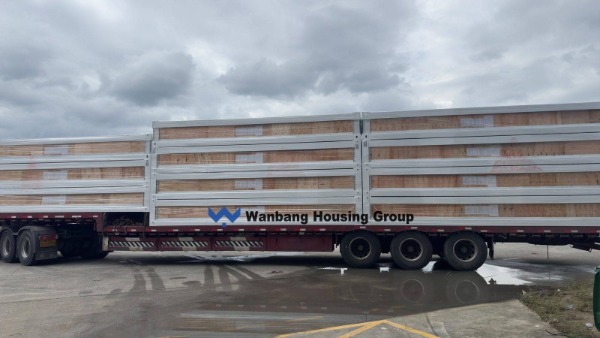
الشحن البحري هو الخيار القياسي لنقل الحاويات؛ ويختار وكيل الشحن الخاص بك بين خيار الحاويات الكاملة (FCL) وخيارات أخرى بناءً على أبعاد الوحدة. جهّز مجموعة المستندات المعتادة للتصدير - الفاتورة التجارية، وقائمة التعبئة، وبوليصة الشحن، وشهادة المنشأ - وتأكد من متطلبات المستندات مع وكيل الشحن.
بخصوص الجمارك والرسوم والموافقات المحلية: تختلف متطلبات التصنيف الجمركي، والرسوم الجمركية، وموافقات البناء أو شهادات الاعتماد باختلاف البلدان، وتتغير باستمرار. لذا، يُرجى التأكد منها مع وسيط جمركي مرخص، أو وكيل شحن، أو جهة إصدار شهادات محلية قبل الشحن. يمكن للشركة المصنعة تزويدك بوثائق المنتج وبيانات الاختبار، ولكن لا ينبغي الاعتماد عليها كمصدر للمعلومات حول الرسوم الجمركية أو الامتثال للوائح المحلية.
تبدأ عملية التخطيط للتركيب قبل مغادرة السفينة: تجهيز الأساسات، والتأكد من إمكانية وصول الرافعة إذا لزم الأمر، والاتفاق على الجهة التي ستوفر الطاقم المحلي. يختلف نطاق الدعم باختلاف المنتج.
اسأل المصنع عن محتويات العلبة: الرسومات، أدلة التركيب، الفيديو التعليمي، والإرشادات عن بعد خلال استخدامك للوحدات الأولى.
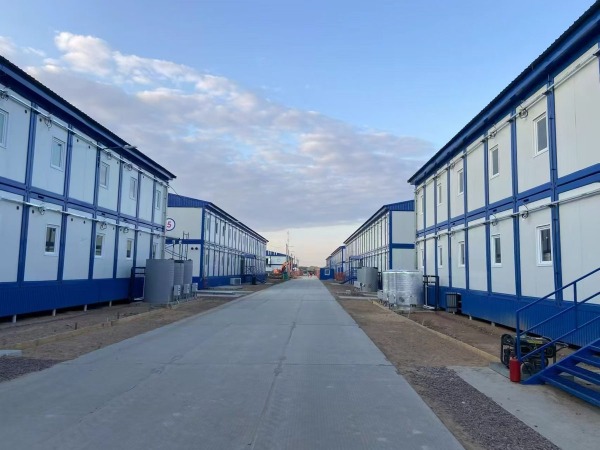
بالنسبة لخط إنتاج Wanbang من الوحدات الجاهزة للتجميع، تشير الأرقام المنشورة إلى شحن حوالي 14 مجموعة لكل حاوية 40HQ كقطع منفصلة، وحوالي 10 مجموعات مجمعة مسبقًا، وحوالي 6 مجموعات مجمعة مسبقًا ومكدسة. تأكد من مطابقة هذه الأرقام مع طرازك وسُمك ألواح الحائط - فطريقة التغليف هي العامل الحاسم.
تستغرق وحدة التجميع السريع ذات العبوة المسطحة حوالي 3 ساعات لأربعة عمال، دون الحاجة إلى لحام أو رافعة. أما الوحدة القابلة للطي، فتُفتح في 4 خطوات خلال 15 دقيقة تقريبًا. يُذكر أن أعمال تجهيز الموقع والأساسات منفصلة عن هذه الأرقام.
لا ينطبق هذا على نظام التجميع السريع ذي العبوة المسطحة، المصمم للتجميع باستخدام البراغي دون الحاجة إلى اللحام أو الرفع بالرافعة. يتم رفع الوحدات القابلة للطي والتمديد إلى موضعها ثم فردها - تأكد من متطلبات طرازك قبل وصول الحاوية.
الهيكل الموضح على صفحات منتجات وانبانغ هو دفع 50% مقدماً و50% المتبقية قبل الشحن. تأكد دائماً من الشروط والعملة وشروط التجارة الدولية (إنكوترمز) المحددة في العقد.
وكيل الشحن الخاص بك أو وسيط الجمارك المرخص. يوفر المصنع المستندات التجارية والفنية؛ يجب التأكد من معدلات الرسوم الجمركية وتصنيف النظام المنسق والموافقات المحلية محليًا، لأنها تختلف باختلاف البلد وتتغير بمرور الوقت.
هل تخطط للاستيراد؟ اتصل بوانبانغ للحصول على ورقة المواصفات وخطة التعبئة ووثائق التركيب لمشروعك.
للتواصل: جايد · الهاتف: +86 13312807790 · واتساب: +966 50 2737 116 · بريد إلكتروني: Jade.li@gdwbhouse.com


 IPv6 الشبكة المدعومة
Hi! Click one of our members below to chat on
 عربي
عربي English
 Français
 Deutsch
 Русский
 Italiano
 Español
 Português
 Türk
Türk Ελληνικά
 Indonesia


