الإجابة الصادقة أولاً: لا يمكن لأي مصنع جاد أن يقدم لك سعرًا حقيقيًا من نتائج البحث، لأن سعر الوحدة ليس سوى واحد من ستة عناصر تكلفة في مشروع منزل حاويات. التكلفة الإجمالية لشراء منازل حاويات من الصين = سعر الوحدة في المصنع (FOB) + الشحن البحري + التخليص الجمركي والرسوم في بلد الوصول + النقل البري + أعمال الأساس + التركيب في الموقع. أي شخص يقدم لك سعرًا واحدًا دون معرفة مواصفاتك وكميتك وميناء الوصول، فهو يُخمن فقط. يُفصّل هذا الدليل كل بند من بنود التكلفة، ويشرح سبب اختلاف عروض الأسعار بين الموردين بمقدار ضعفين إلى ثلاثة أضعاف لوحدة متشابهة في الشكل، ويُبيّن لك كيفية مقارنة عروض الأسعار على أساس عادل.
استخدم هذا الجدول لتحديد من يتحكم في كل بند من بنود التكلفة ومتى يجب تأكيده:
| كتلة التكلفة | ما يشمله | من يؤكد ذلك؟ |
|---|---|---|
| 1. سعر الوحدة من المصنع (FOB) | المنزل نفسه: هيكل فولاذي، ألواح الجدران والسقف، أرضية، أبواب، نوافذ، نظام كهربائي | سيقوم المصنّع، بناءً على المواصفات المكتوبة التي قدمتها، بما يلي: |
| 2. الشحن البحري | حجز حاويات من الميناء الصيني إلى ميناء وجهتك | وكيل شحن؛ تتغير الأسعار أسبوعياً |
| 3. الجمارك والرسوم والتخليص الجمركي | الرسوم الجمركية والضرائب والوثائق المطلوبة في بلد الوصول | وسيطك الجمركي المرخص - تختلف الأسعار باختلاف البلد وتتغير باستمرار |
| 4. النقل البري | نقل البضائع إلى الموقع، بما في ذلك أي مناولة للأحجام الكبيرة. | متعهد نقل محلي |
| 5. الأساس | أعمدة خرسانية، أو قواعد، أو عوارض أرضية حسب نوع التربة والموقع | مقاولك المدني المحلي، وفقًا لرسم الأساسات الخاص بالشركة المصنعة |
| 6. التركيب | العمالة المحلية والأدوات اللازمة للتجميع في الموقع | يقوم فريقك، مسترشداً بدليل التثبيت أو الفيديو الخاص بالشركة المصنعة |
لماذا هذا مهم؟ في مشاريع المخيمات متعددة الوحدات، تُضيف الوحدات من 2 إلى 6 عادةً نسبة كبيرة إلى التكلفة الإجمالية للمشروع، وتختلف تكلفتها عن تكلفة الوحدة الواحدة. فالوحدة الأرخص التي تُهدر مساحة الحاوية قد تُكلفك أكثر لكل وحدة مُركّبة من الوحدة المُصممة بشكل أفضل.
عندما يُقدّم أحد الموردين عرض سعرٍ يُعادل ضعف سعر مورد آخر لنفس الوحدة ذات المساحة نفسها، فإنّ الفرق يكون في الغالب ضمن نطاق المواصفات، وليس في هامش ربح أيٍّ منهما. قبل مقارنة أي عرضين، دوّن هذه النقاط كتابيًا:
| بند المواصفات | ما الذي يحرك السعر | ما الذي يجب طلبه |
|---|---|---|
| إطار فولاذي | يؤثر سمك الفولاذ وجودة الجلفنة على كل من التكلفة والعمر الهيكلي | يرجى كتابة سماكة الفولاذ (مم) للأعمدة والإطار كتابةً. |
| ألواح الجدران والأسقف | تختلف مادة اللب وسمكها وتصنيف مقاومتها للحريق اختلافًا كبيرًا بين الموردين | سُمك اللوحة، ومادة اللب، وفئة مقاومة الحريق مع وثائق الاختبار |
| أرضية | يؤثر نوع اللوح وسمكه وطبقة سطحه على قدرة التحميل والمتانة | تراكم المواد على الأرضية أثناء الكتابة (نوع اللوح + السطح) |
| الأبواب والنوافذ | تختلف مواد الإطار والزجاج وجودة القفل اختلافاً كبيراً | تم تحديد مستوى العلامة التجارية أو درجة المادة، وليس مجرد "مشمول". |
| النظام الكهربائي | عدد قواطع الدائرة، ومواقع المقابس، ومعايير الكابلات، والشهادات الخاصة بسوقك | مخطط تخطيط كهربائي متوافق مع الجهد الكهربائي المحلي ومعايير المقابس |
| التصميم ونسبة النوافذ إلى الجدران | زيادة عدد الفتحات = زيادة تكلفة المواد وزيادة أجور العمالة في المصنع | تم تأكيد عدد ومواقع الأبواب/النوافذ في الرسم |
المورد الذي يجيب على جميع الأسئلة الستة كتابيًا هو مصنّعٌ يعرف منتجه جيدًا. أما المورد الذي يردّ بعبارة "لا تقلق، جودة ممتازة" فقد أجاب على سؤالك.
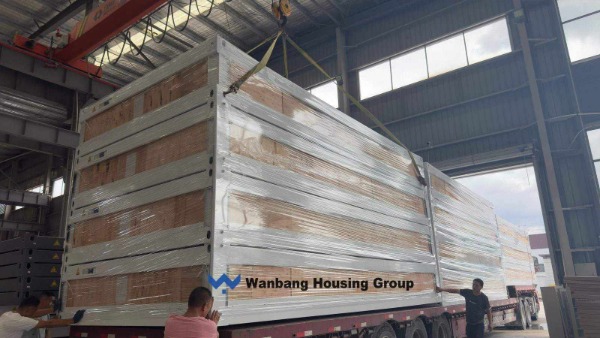
تُحسب تكلفة الشحن البحري لكل حاوية، وليس لكل منزل. لذا، فإن عدد المنازل التي تتسع لها الحاوية الواحدة يقسم تكلفة الشحن لكل وحدة بشكل مباشر - وهنا تبرز أهمية التصميمات القابلة للطي والتجميع.
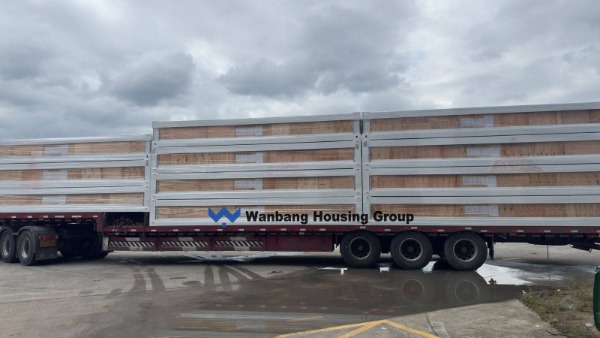
عند مقارنة عرضين، اطرح نفس السؤال على كلا الموردين: "كم عدد الوحدات من هذا الطراز التي تتسع في حاوية 40HQ واحدة، وما هي خطة التعبئة الخاصة بك؟" تقوم الإجابة بتحويل عرض أسعار الشحن إلى تكلفة شحن لكل منزل - وهو الرقم الذي يؤثر فعلياً على ميزانيتك.
هذه هي الشروط الأساسية التي تعمل بها شركة وانبانغ في طلبات التصدير - استخدمها كنقطة مرجعية عند مقارنة الموردين:
| شرط | خط الأساس |
|---|---|
| الحد الأدنى للطلب | ابتداءً من مجموعة واحدة — يتم قبول طلبات العينات |
| شروط الدفع | دفعة مقدمة 50%، ورصيد 50% قبل الشحن |
| مدة الإنتاج | عادةً ما يستغرق الأمر من 10 إلى 15 يومًا للوحدات القياسية المسطحة والوحدات القابلة للتوسيع بعد دفع العربون. |
| ميناء الشحن | نانشا، قوانغتشو (جنوب الصين) |
| الوثائق | الفاتورة التجارية، قائمة التعبئة، بوليصة الشحن، شهادة المنشأ؛ وثائق اختبار المنتج عند الطلب |
ملاحظتان صادقتان. أولًا، تختلف تصنيفات الجمارك ورسومها وموافقات البناء المحلية باختلاف بلد المقصد، وتتغير باستمرار؛ لذا يُرجى التأكد منها مع وسيط جمركي مرخص أو جهة إصدار شهادات محلية. يمكن للشركة المصنعة تزويدك بوثائق المنتج وبيانات الاختبار، ولكن لا ينبغي الاعتماد عليها كمصدر لرسوم الجمارك. ثانيًا، يعتمد وقت التسليم على حجم الطلب وجدول الإنتاج؛ لذا يجب التأكد من الجدول الزمني لمشروعك مقارنةً بالجدول الزمني الحالي للمصنع عند تقديم الطلب، وليس الاعتماد على أي موقع إلكتروني.
أرسل هذه المعلومات إلى الشركة المصنعة وستحصل على رقم يصمد أمام الواقع:
الشركة المصنعة التي ترد على هذه القائمة بورقة مواصفات، ورسم تخطيطي، وخطة تغليف - وليس فقط السعر - هي التي يجب اختيارها. وللتحقق من هذه الشركة المصنعة بشكل أدق، تتضمن قائمة التحقق الخاصة بنا لاختيار المصانع ثمانية معايير يجب اتباعها قبل دفع أي دفعة مقدمة.
لأن سعر الوحدة يعتمد على المواصفات والكمية والوجهة. إن نشر سعر محدد قد يضلل المشترين أو يكون مبالغًا فيه لدرجة تجعله عديم الفائدة. تقدم المصانع الجادة عروض أسعار بناءً على مواصفات مكتوبة، عادةً خلال أيام عمل قليلة.
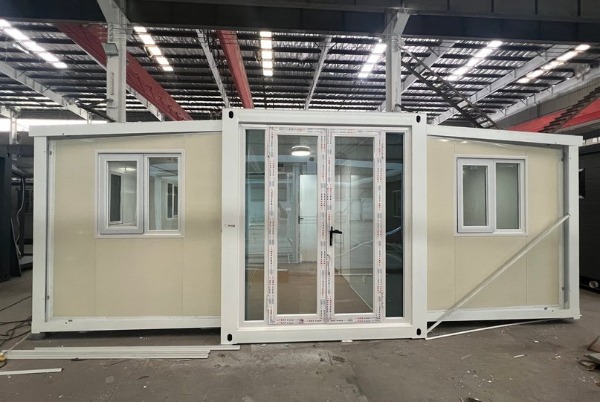
بالنسبة للنماذج الجاهزة للتجميع التي تُشحن مفككة، يُعدّ 14 مجموعة لكل حاوية 40 قدمًا معيارًا واقعيًا. أما النماذج القابلة للطي، فتصل عادةً إلى 10 مجموعات لكل حاوية 40 قدمًا مع ألواح جدارية بسماكة 50 مم، أو 8 مجموعات مع ألواح بسماكة 75 مم. وتشغل الوحدات القابلة للتوسيع ذات العرض الثابت مساحة شحن واحدة لكل وحدة، ولكنها تتوسع لتشكل تصميمًا كاملًا في الموقع.
لا. الرقم المهم هو التكلفة الإجمالية شاملةً الشحن والتركيب للوحدة الواحدة: سعر الوحدة + تكلفة الشحن لكل وحدة (تعتمد على كفاءة التعبئة) + الرسوم الجمركية + النقل الداخلي + الأساسات + التركيب. غالبًا ما تفوز الوحدة ذات التعبئة الأفضل بسعر تسليم على ظهر السفينة أعلى قليلًا من حيث التكلفة الإجمالية.
يقبل وانبانغ الطلبات بدءًا من مجموعة واحدة، مما يتيح لك التحقق من الجودة من خلال عينة قبل الالتزام بكمية كبيرة. ويتحسن سعر الوحدة مع زيادة الكمية.
يستغرق إنتاج الوحدات القياسية القابلة للفك والتركيب والتوسيع عادةً من 10 إلى 15 يومًا بعد دفع العربون. أما مواعيد الشحن البحري والجمارك فتعتمد على وجهتك، ويتم تأكيدها من قبل وكيل الشحن الخاص بك. لذا، خطط لتاريخ الموقع قبل تاريخ التركيب، وادفع العربون قبل دورة إنتاج واحدة على الأقل.
هل تخطط لمعسكر وتريد أرقامًا دقيقة بدلًا من نطاقات؟ أرسل لنا معلومات عن تشكيلة وحداتك، وميناء الوصول، والجدول الزمني. اتصل بوانبانغ للحصول على ورقة المواصفات، ورسم التخطيط، وخطة التعبئة.
يشم · الهاتف: +86 13312807790 · واتساب: +966 50 2737 116 · بريد إلكتروني: Jade.li@gdwbhouse.com
تُعدّ تكاليف الشحن عادةً أكبر بند في التكاليف المتغيرة، وإليك كيف تؤثر كثافة التحميل عليها: https://www.gdwbprefabhouse.com/how-many-container-houses-fit-in-a-40ft-container-loading-guide-for-flat-pack-folding-expandable-units-1


 IPv6 الشبكة المدعومة
Hi! Click one of our members below to chat on
 عربي
عربي English
 Français
 Deutsch
 Русский
 Italiano
 Español
 Português
 Türk
Türk Ελληνικά
 Indonesia