
معياري القوى العاملة مخيم المباني: المشتري مرشد ل التعدين & بعيد المشاريع
التعدين، طاقة، و كبير بنية تحتية المشاريع غالباً يأخذ مكان in بعيد المواقع أين تقليدي بناء is بطيء، غالي، و من الناحية اللوجستية صعب. القوى العاملة إقامة يجب be مستعد بسرعة، متين كافٍ ل صارِم شروط، و مرن كافٍ to يوسع or الانتقال as ال مشروع يتطور.
هذا is لماذا معياري القوى العاملة مخيم المباني يملك يصبح ال مفضل حل ل كثير مشروع الملاك و المقاولون على مستوى العالم. هذا مرشد يوضح ماذا معياري مخيم المباني نكون، كيف هم يقارن مع تقليدي بناء، ماذا to ينظر ل متى اختيار a مزود، و العالم الحقيقي مشروع أمثلة.
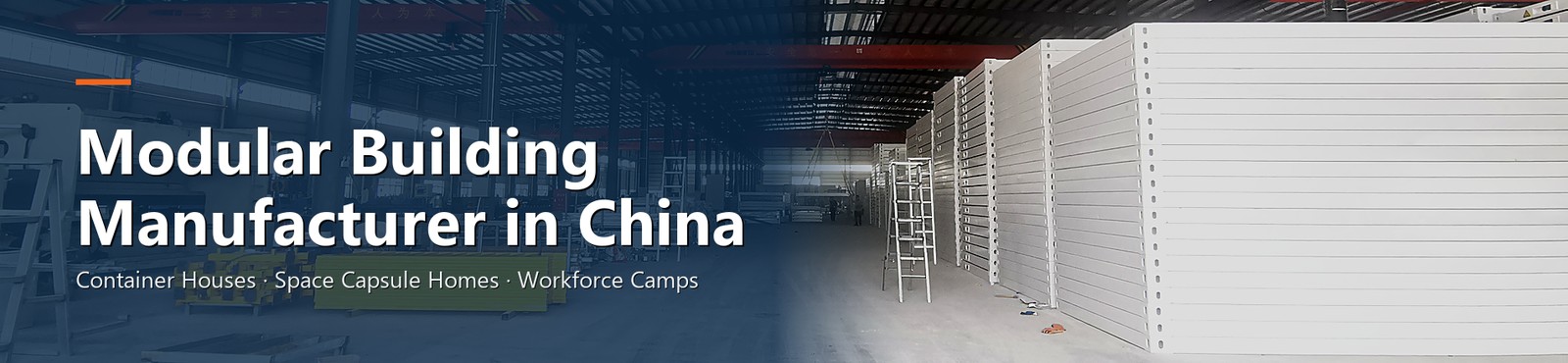
معياري القوى العاملة مخيم المباني نكون منتج في المصنع إقامة و يدعم وحدات مصمم خاصة ل مؤقت or شبه دائم يستخدم on بعيد المواقع. هم عادة يشمل:
هؤلاء وحدات نكون صنع in a خاضع للرقابة مصنع بيئة، ثم تم نقله to موقع in عبوة مسطحة، قابل للتوسيع، or كلب الحجمي استمارة. مرة واحدة on موقع، هم نكون تم تجميعها مع الحد الأدنى ثقيل معدات و متصل to المرافق العامة.
شائع أنواع مستخدم in التعدين و بعيد المشاريع يشمل:
لأن معظم of ال عمل يحدث in ال مصنع، جودة يتحكم is أعلى و في الموقع تَعَب متطلبات نكون بشكل كبير أدنى من تقليدي بناء.
ال الأكبر المزايا of معياري حلول يظهر in بعيد or حساس للوقت مشاريع.
وقت مقارنة
| وجه | معياري مخيم المباني | تقليدي بناء |
|---|---|---|
| تصنيع | 4-8 أسابيع (مصنع) | موازي مع موقع عمل |
| في الموقع حَشد | أيام to a عدد قليل أسابيع | شهور |
| عادي المجموع الجدول الزمني | 8-16 أسابيع من طلب to الإشغال | 6–18 شهور or أطول |
| طقس تأثير | الحد الأدنى (تحت سيطرة المصنع) | عالي |
| قدرة to عمل in موازي | نعم (مصنع + موقع التحضير) | محدود |
In كثير التعدين المشاريع، معياري المخيمات يستطيع be كلب تشغيلي in تحت أربعة شهور، بينما تقليدي يبني غالباً يأخذ a سنة or أكثر.
يكلف مقارنة
معياري المباني عادة يسلم 20-50% أدنى المجموع مشروع يكلف in بعيد المواقع ل عديد الأسباب:
تقليدي بناء in بعيد المناطق يحمل عالي المخاطر of يكلف تجاوزات في الميزانية حق to طقس التأخيرات، ماهر تَعَب نقص، و طويل مادة إمداد السلاسل. معياري حلول يحول معظم of هؤلاء المخاطر to ال خاضع للرقابة مصنع بيئة.
آخر مفتاح المزايا

 IPv6 الشبكة المدعومة
Hi! Click one of our members below to chat on
 عربي
عربي English
 Français
 Deutsch
 Русский
 Italiano
 Español
 Português
 Türk
Türk Ελληνικά
 Indonesia


